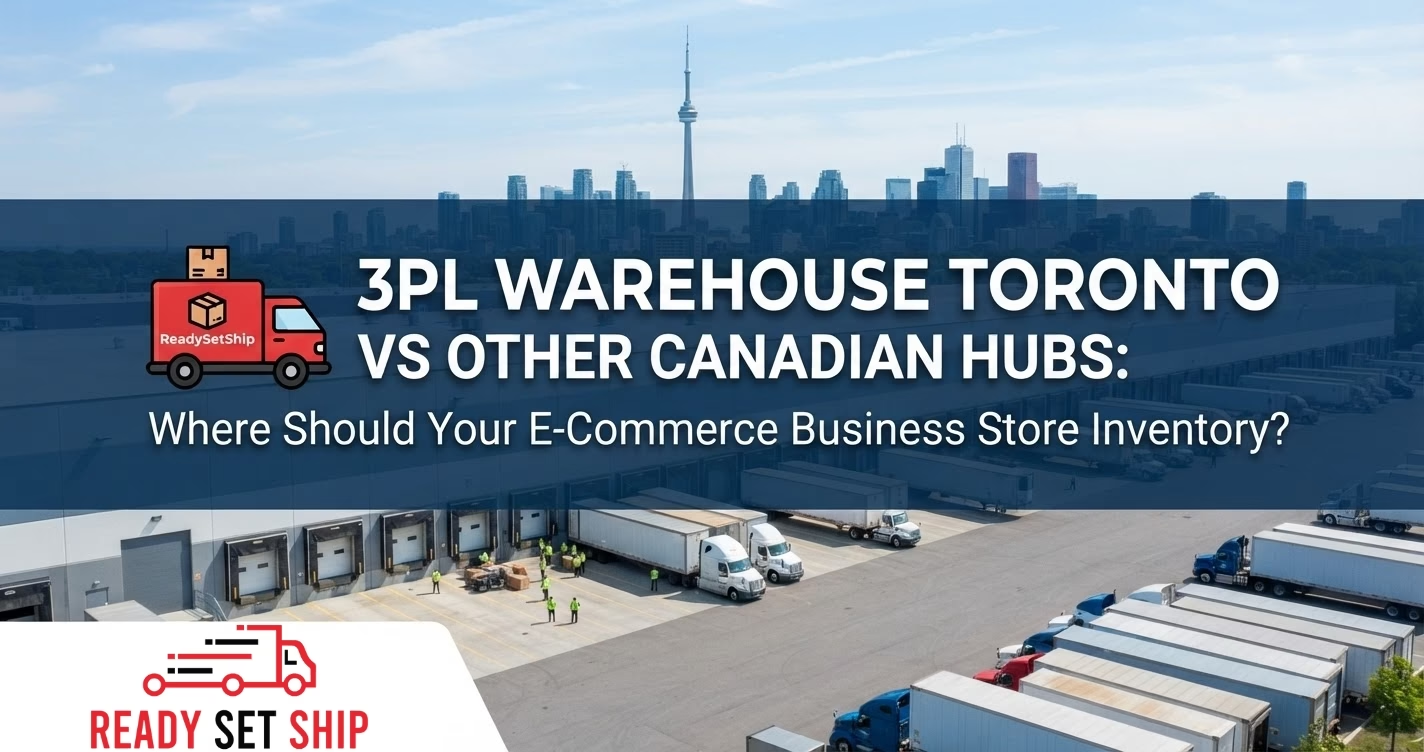

Most ecommerce operators assume that handing off fulfillment solves everything. It does not — not unless the Canadian fulfillment partner you choose actually understands cross-border complexity, geographic distribution, and inventory accountability at every level. This guide covers what 3PL services in Canada really involve, what to look for before you sign, how pricing works, how operations run, and when outsourcing your logistics is the right call — and when it is not.
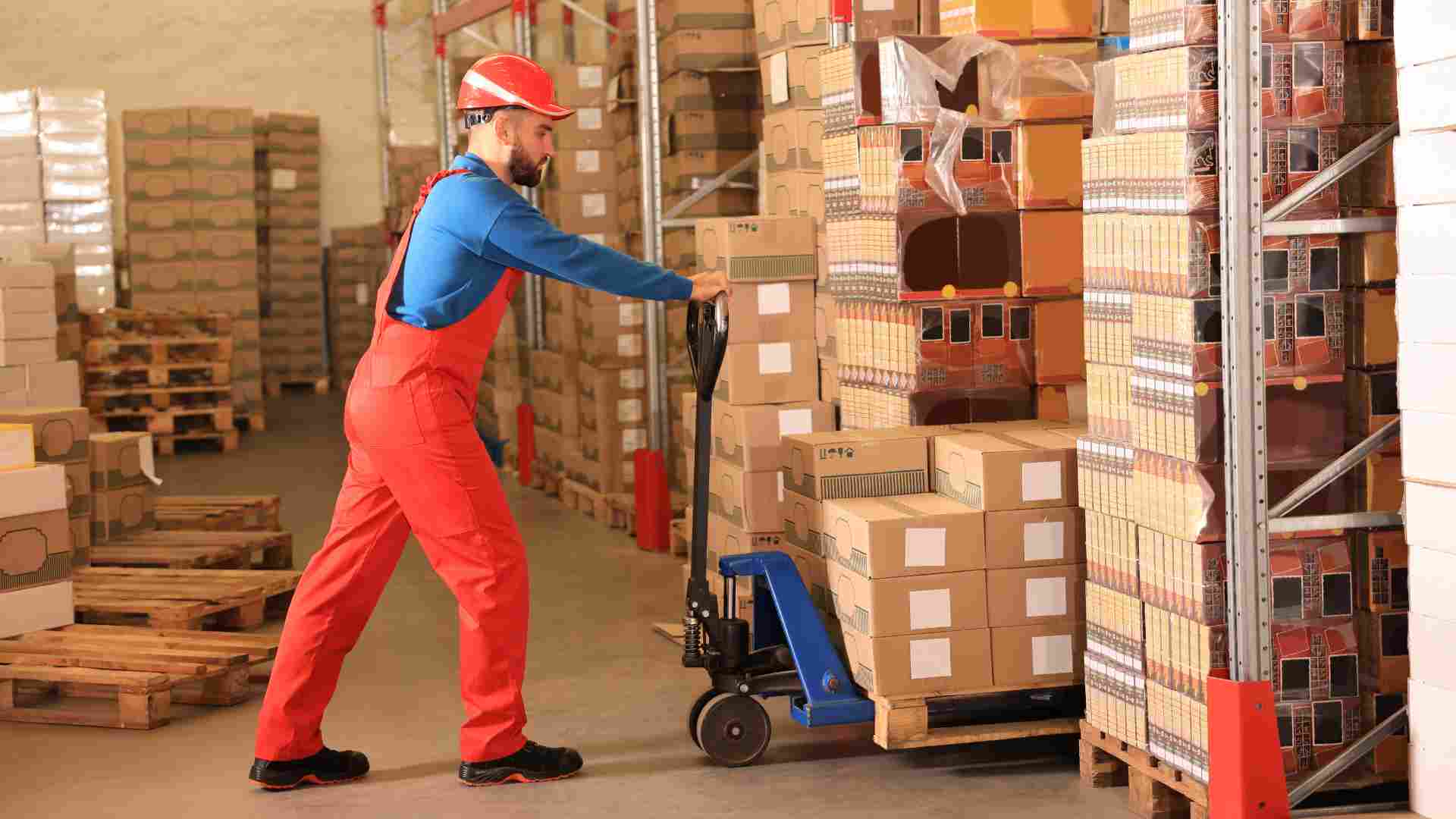
Real 3PL execution in Canada starts at inbound receiving, not outbound shipping — that is where reliable partners separate themselves from the rest
What Are 3PL Services in Canada?
The term third-party logistics gets used loosely across the industry. Real 3PL execution covers inbound receiving, pick and pack, and outbound shipping with a level of consistency that internal teams rarely sustain past a certain growth stage. What makes a reliable partner is not marketing language. It is whether your products arrive counted, labeled, and stored without a two-week delay.
Canada presents a layered supply chain challenge that most guides skip over. Your order volume might be manageable today, but delivery expectations from customers in Calgary versus those near the US border operate on completely different timelines. A scalable operation needs geographic awareness built into its distribution centers from the start, not added later.
Contract logistics is a different animal from transactional shipping arrangements. Consolidation centers are genuinely useful when you are moving high-SKU inventory across regions, but only if the warehouses behind them have real inventory management services. Brands lose margin on idle stock simply because their 3PL had no bin-level accountability.
What actually moves the needle in Canadian logistics is proximity to customers. Shipping locally from a warehouse that sits close to your buyer base changes your customer experience entirely. Faster delivery is not a premium feature. In today's ecommerce environment, it is the baseline your store is being measured against.
Key Insight: The real separation between a weak logistics provider and a strong one happens at inbound, not outbound. How a 3PL handles your inventory on day one determines everything downstream.
What a 3PL Should Handle and Why It Matters
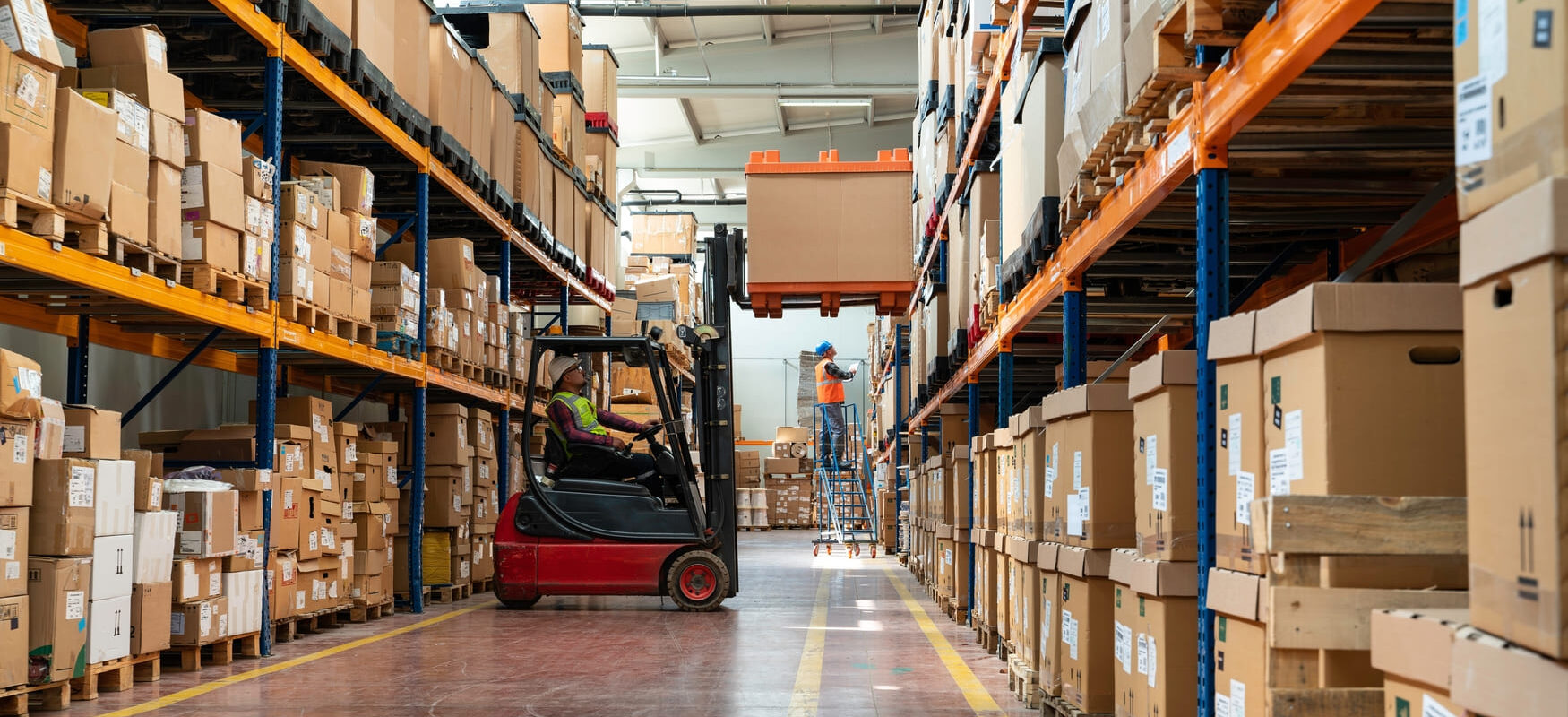
Choosing between in-house warehousing and a 3PL comes down to execution consistency, not just upfront cost
Most people evaluate a 3PL on price. That is the wrong starting point. What actually matters is execution consistency — whether inventory moves through inbound receiving accurately, every single time, without manual correction eating into your margin and time.
Bin-level tracking is what separates real warehousing from rented shelf space. Without it, SKU counts drift, barcodes get misread, and condition discrepancies pile up silently until a customer complaint forces a full audit nobody wants to run.
Inventory accuracy at 99.5% sounds like a benchmark. In practice, it is the floor that prevents oversells, backorders, and mis-picks from compounding into a supply chain breakdown. Brands lose repeat buyers not from bad products but from fulfillment errors nobody caught before carrier handoff.
Returns processing is where most 3PL operations show their real character. Fast inspection, accurate grading, and clean restocking or disposal within 24 to 48 hours keeps inventory honest. Sitting on returned units for weeks without resolution creates inventory drift that distorts financial reporting and complicates order allocation downstream.
Choosing a partner with genuine expertise in distribution, custom logistics solutions, and transparent communication means your team handles cycle counting, inventory audits, and risk before discrepancies surface. That is what real-time updates, technology, and reliability actually look like in operation.
FAQs: What a 3PL Should Handle
Benefits of 3PL Services
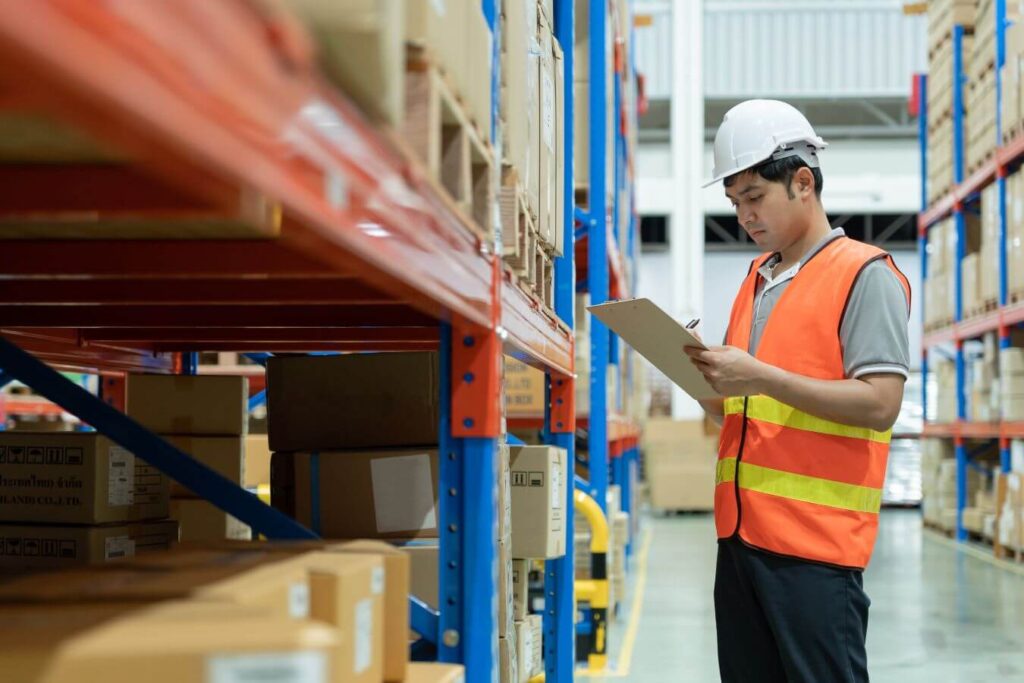
The real benefits of partnering with a 3PL go beyond moving boxes. They restructure how a growing brand thinks about overhead, scale, and operational focus
Most businesses do not realize how much silent overhead they are absorbing until they try removing it. Working closely with ecommerce brands scaling into the Canadian logistics space, the pattern is consistent: a reliable fulfillment partner does not just move boxes. It restructures how a company thinks about growth entirely.
Operational costs quietly compound when you are managing your own warehouse. Carrying costs, lease obligations, and returned product costs do not always show up clearly on a P&L, but they drain resources that could fund new markets. Outsourcing to a 3PL lets businesses reduce costs at the infrastructure level without sacrificing service quality.
The distribution process becomes noticeably leaner when you plug into a network built for scale. 3PLs with distribution centers positioned across major urban areas — Toronto, Vancouver, and Montreal — give products the geographic reach needed to enable faster delivery without carrying the capital weight of multiple warehousing footprints.
Scalability is where 3PLs genuinely outperform in-house models. When product demand spikes seasonally, operators can vary capacity without scrambling for temporary space or labor. The ability to contract warehousing during slower cycles is equally valuable. It prevents the lost sales spiral that comes from overcommitting to fixed overhead.
Logistics expertise built into a 3PL relationship means compliance with Canadian regulations, including cross-border documentation and shipping requirements, is handled systematically. That kind of embedded compliance control, paired with technological advancements in inventory management, lets businesses improve efficiency across the entire supply chain.
FAQs: Benefits of 3PL
What to Look For in a 3PL

The right 3PL evaluation starts before the pricing call. What a provider shows during a discovery conversation tells you more than any polished rate card
Most businesses approach a 3PL partner search the wrong way. They start with pricing. From experience working across multiple fulfillment setups, the real evaluation happens before any pricing call even begins. What a provider shows during a discovery call — their response time, their data clarity, their comfort with edge cases — tells you everything a polished deck will not.
Warehouse capacity and warehousing options should match your peak season, not just your average monthly orders. A provider tight on capacity during Q4 is not just inconvenient. It breaks your supply chain at the worst possible time. The ability to edit orders, pause orders, and manage bundles and kits operationally separates a real partner from a basic vendor.
Look closely at receiving turnaround time. Slow intake creates inventory shortage downstream before a single item ships. Inventory discrepancies that require manual intervention signal weak technological platforms and sloppy picking processes. Ask directly: how are accuracy rates measured, and what triggers a review?
Billing transparency is where most 3PLs lose trust fast. Additional fees for relabeling, manual handling, returns, or even basic pick and pack tasks add up quietly. Any provider worth signing should walk you through their SLA specifics without hesitation. Vague answers here are a red flag.
Financial stability, experience, and references are non-negotiable during due diligence. Ask to see their integration stack and understand how their platforms handle real-time restocking and compliance reporting. A solid demo should show you exactly how the system behaves under pressure, not just the clean happy path.
| Evaluation Criteria | What to Ask | Red Flag |
|---|---|---|
| Receiving turnaround | How long from inbound arrival to available inventory? | More than 72 hours with no explanation |
| Inventory accuracy | What is your measured accuracy rate and audit process? | No clear measurement system in place |
| Billing transparency | Walk me through every line item on a typical invoice | Vague answers or "we will handle that later" |
| Peak season capacity | What happens to my account during Q4 volume spikes? | No guaranteed SLA during high volume periods |
| Technology stack | Can I see a live demo of your inventory dashboard? | Only screenshots, no live system access |
| Returns handling | What is your turnaround from return receipt to restock? | No defined process or SLA for returns |
FAQs: What to Look For in a 3PL
Pricing and Cost Structure
Storage costs tend to surprise most 3PL clients far more than shipping ever does. Knowing the full cost structure before signing protects your margins from day one
Most 3PL clients discover that storage surprises them more than shipping ever does. Per pallet rates feel manageable until slow-moving inventory starts accumulating quietly, inflating your monthly bill in ways nobody flagged during onboarding discussions or early negotiations.
Pick and pack operations carry layered complexity that flat-rate promises rarely capture honestly. Per order costs diverge sharply from per item reality once multi-line orders enter the picture, exposing gaps between what was quoted and what actually appears on invoices.
Packaging decisions compound every variable downstream. Choosing custom packaging without modeling handling time creates invisible drags on throughput. Brands have cut into their shipping savings by using premium materials that slowed fulfillment velocity across their busiest months.
Carrier pass-through charges depend on zone distance and weight calculations that shift constantly with dimensional rules. These are not hidden by malice. They are structural. Understanding this distinction early separates brands that budget confidently from those perpetually surprised by statements.
Returns processing reveals the true character of any cost model. Each per-return fee carries embedded grading complexity that standard rate cards rarely itemize upfront, making total exposure difficult to model without seeing actual operational data firsthand.
| Cost Category | Typical Structure | What to Watch For |
|---|---|---|
| Receiving | Per pallet or per hour | Minimum charges during low-volume intake periods |
| Storage | Per pallet or per bin per month | Long-term storage surcharges on slow-moving SKUs |
| Pick and pack | Per order plus per item | Gap between per-order flat rate and actual multi-line cost |
| Packaging materials | Per unit or pass-through cost | Handling time increases for custom or complex packaging |
| Shipping | Carrier pass-through with zone surcharges | Dimensional weight rule changes and zone distance shifts |
| Returns processing | Per return fee | Grading complexity not itemized in standard rate cards |
FAQs: Pricing and Cost Structure
How Fulfillment Works: Operations Inside a 3PL
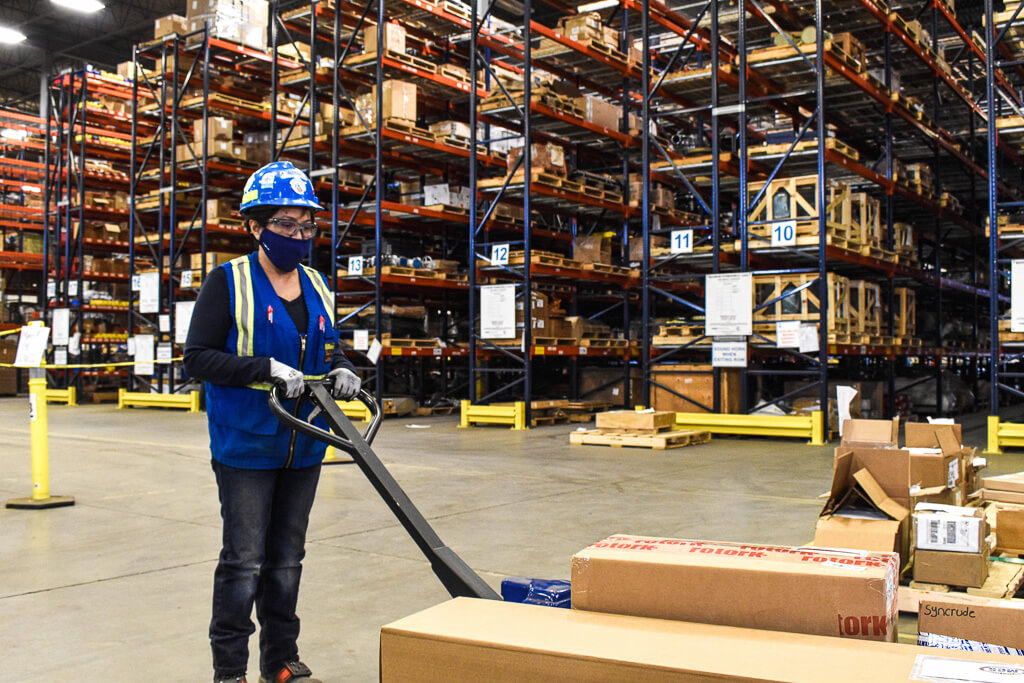
Fulfillment operations inside a 3PL warehouse cover far more than just packing boxes. Every stage from inbound receiving to returns processing affects your customer experience directly
Most people assume fulfillment starts at the warehouse door. It does not. The real clock begins the moment a merchant hits publish on their Shopify store. From that point, every sale triggers a chain reaction that either holds or breaks the entire order flow. Brands lose customer trust not from bad products but from gaps in fulfillment operations nobody thought to stress-test.
The inbound receiving stage is where discipline either gets built or abandoned. Shipments arrive, and within 24 to 72 hours, every unit gets counted, labeled, and moved through putaway into the correct bin. A clean barcode and SKU system at this stage prevents mismatches that compound exponentially across hundreds of daily orders.
Wave planning and directed picking are the mechanical heartbeat of any high-volume operation. Rather than treating each order as isolated, smart warehouse systems batch similar pick and pack runs to cut travel time on the floor. This directly influences your accuracy rate. Operations that ignore picking discipline rarely hold anywhere near 99.5% without burning through labor.
Real-time inventory updates fed through integrated platforms mean your warehouse system and storefront never drift out of sync. Replenishment triggers fire automatically before stockouts hit the floor, while dock management governs inbound traffic so receiving teams are not stacking pallets in aisles. Kitting requests get woven directly into the order processing queue without disrupting standard pick lanes.
On the outbound side, a 2PM cutoff drives same-day dispatch for orders placed before carrier pickup windows close. This is especially critical for Ontario-based ecommerce brands competing on delivery speed. Tracking updates push automatically post-dispatch, and when customers initiate returns, units re-enter the cycle — restocked within 48 hours and made available again through the same carrier network that shipped them out.
Inbound Receiving
Units counted, labeled, and into correct bins within 24 to 72 hours of arrival
Wave Picking
Batched pick runs cut floor travel time and protect accuracy rates
Pack and Dispatch
2PM cutoff drives same-day shipping for qualifying orders
Returns Processing
Units inspected, graded, and restocked within 48 hours
FAQs: How Fulfillment Works
Trends Shaping Canadian 3PL in 2026

Canadian 3PL providers have evolved well beyond warehouses with forklifts. Automation, predictive analytics, and green logistics have quietly restructured the entire supply chain model
Canadian 3PL providers are no longer just warehouses with forklifts. The entire supply chain model has quietly restructured itself around technology and shifting market realities, driven by post-pandemic ecommerce pressure hitting the Canadian market hard.
What surprises most operators is how cross-border logistics quietly became the backbone of domestic growth. International trade volumes, particularly under the USMCA, reshaped fulfillment priorities overnight, forcing providers to rethink everything from compliance protocols to carrier relationships entirely.
Automation was not adopted out of ambition but necessity. Robotics entered warehousing floors because labor shortages made manual order-picking unsustainable, and artificial intelligence began filling operational gaps that humans simply could not cover cost-effectively.
Demand forecasting failures exposed fragile inventory management systems across Canada. Predictive analytics tools entered not as luxury upgrades but as survival instruments, recalibrating delivery routes and operational efficiency before Q4 disruptions exposed every weak link.
Green logistics entered this conversation faster than most expected. Electric vehicles, optimized shipping routes, and eco-friendly practices are not branding exercises. Sustainability became a procurement requirement, especially for enterprise clients demanding measurable environmental accountability from every logistics partner.
FAQs: Trends in Canadian 3PL
When a Canadian 3PL Is Not the Right Choice
Not every brand benefits from outsourcing logistics. Understanding the structural mismatches early protects you from a partnership that serves the provider's model more than your own growth
Many businesses rush into outsourcing logistics before honestly questioning whether the structure makes sense for their stage. A brand generating around 500 orders per month signs up with a fulfillment partner, expects everything to smooth out, and ends up absorbing costs it never modeled. The decision reveals a fundamental mismatch between actual volume and the fixed operational costs embedded in every 3PL contract.
Unpredictable demand is one of the most underappreciated deal-breakers when evaluating a third-party arrangement. When your sales cycle produces irregular order spikes rather than steady weekly flow, a warehouse operating on scheduled labor windows cannot absorb that variability cleanly. The result is compounded fulfillment errors, missed windows, and a degraded customer experience that ultimately traces back to a structural mismatch rather than negligence.
The geography argument for outsourcing frequently collapses under scrutiny when your customer base is concentrated. Businesses shipping primarily across Western Canada discover that routing through a central fulfillment node in Toronto or Mississauga does not actually reduce delivery time. It extends it. The added cost of that transit leg, multiplied across volume, erodes margin in ways that spreadsheets miss during vendor evaluation.
SKU management complexity deserves its own honest audit before signing. When you carry a large SKU count alongside low-turnover items, the math on storage costs turns destructive fast. Idle inventory sitting in third-party square footage accumulates charges independent of whether a single unit ships.
Scalability is marketed as the primary benefit of outsourcing, but it cuts both ways. During periods of capacity constraints driven by staffing issues and seasonal delays, 3PL networks prioritize higher-volume accounts. Smaller brands experience service degradation precisely when they most need consistency. Recognizing this asymmetry early protects you from a partnership that serves the provider's model more than your own growth.
Before You Sign: Run an honest audit of your order volume, SKU count, customer geography, and demand predictability. The math needs to work in your favor not just on average, but at your worst months too.
FAQs: When a 3PL Is Not the Right Choice
ReadySetShip: Ontario's Trusted 3PL Fulfillment Partner
ReadySetShip is a Mississauga-based 3PL fulfillment company built for Canadian ecommerce brands. Located near Ontario's major carrier hubs and Amazon fulfillment network, we handle the full fulfillment process so your orders ship accurately, on time, and without the overhead of managing your own warehouse.
Order Fulfillment
Pick, pack, and ship with same-day dispatch for orders received before 2PM. Accurate, consistent, and scalable.
Warehousing
Bin-level inventory tracking, real-time dashboard visibility, and cycle counting built into every account.
Kitting and Assembly
Bundle creation, multi-SKU assembly, and subscription box fulfillment handled at scale without disrupting standard pick operations.
Returns Management
Inspection, grading, and restocking within 48 hours. Keeps your inventory honest and your financial reporting clean.
Amazon FBA Prep
FNSKU labeling, poly bagging, bundling, and direct-to-Amazon shipping. Fully compliant with 2026 inbound standards.
B2B Fulfillment
Retailer and wholesale shipments with full EDI compliance, pallet preparation, and routing guide adherence.
Ready to Hand Off Your Fulfillment to a Partner You Can Trust?
ReadySetShip is Mississauga's leading 3PL fulfillment center for Canadian ecommerce brands. We handle warehousing, pick and pack, kitting, returns, B2B fulfillment, and Amazon FBA prep so your operations run cleanly while your team focuses on growth.
- Real-time inventory visibility — no batch reports, no guessing
- Same-day dispatch for orders received before 2PM
- No contracts, no minimums — we work with brands at every stage
- Bin-level accuracy — 99.5% inventory accuracy as standard
- Mississauga, Ontario — minutes from major carrier hubs and Amazon's Ontario network
Location: 1707 Sismet Rd, Unit 6, Mississauga, ON, L4W 2K8
Phone: +1 647 785 7839 | Email: sales@readysetship.ca
Which 3PL Providers Are Worth Screening
Most ecommerce operators do not realize how much their fulfillment execution partner shapes customer perception until something breaks. Shopify brands lose repeat buyers not because of the product, but because the post-purchase experience felt disconnected and poorly managed.
Speed Commerce operates fulfillment centers across the West Coast, Ontario, and Quebec, giving growing DTC brands access to a distributed inventory network that eliminates the blind spots of single-region fulfillment. What makes this provider stand out is how inventory coordination is handled across nodes. Real-time dashboards give operators actual visibility, not delayed batch reports.
Beyond standard pick and pack, Speed Commerce offers custom packaging, kitting, and branding controls that marketplace sellers on Amazon and eBay rarely get from volume-focused 3PLs. For cross-border operations, their Section 321 handling on US cross-border shipments is a genuine operational edge for brands shipping from Canada into the United States.
ReadySetShip brings the same operational depth with the added advantage of full-service fulfillment under one roof. Warehousing, FBA prep, kitting, returns, and B2B fulfillment are all managed from a single Mississauga facility. For Canadian ecommerce brands that want one partner handling the complete post-purchase operation, that consolidation eliminates coordination overhead entirely.
FAQs: Choosing the Right 3PL Provider
Key Takeaways
- Real 3PL execution covers inbound receiving, pick and pack, and outbound with consistent accuracy — not just warehouse space
- Bin-level tracking and 99.5% inventory accuracy are the baseline, not a premium offering
- Storage costs surprise most clients more than shipping — model the full cost before signing
- Geographic concentration in your customer base may make a central fulfillment node a liability, not an asset
- Automation, predictive analytics, and green logistics are now standard expectations in Canadian 3PL
- ReadySetShip offers order fulfillment, warehousing, kitting and assembly, returns management, B2B fulfillment, and Amazon FBA prep from Mississauga, Ontario
ReadySetShip is a Mississauga, Ontario-based 3PL fulfillment company serving Canadian ecommerce brands and Amazon sellers. Located at 1707 Sismet Rd, Unit 6, we offer order fulfillment, warehousing, kitting and assembly, returns management, B2B fulfillment, and Amazon FBA prep services. No contracts, no minimums, no hidden fees.